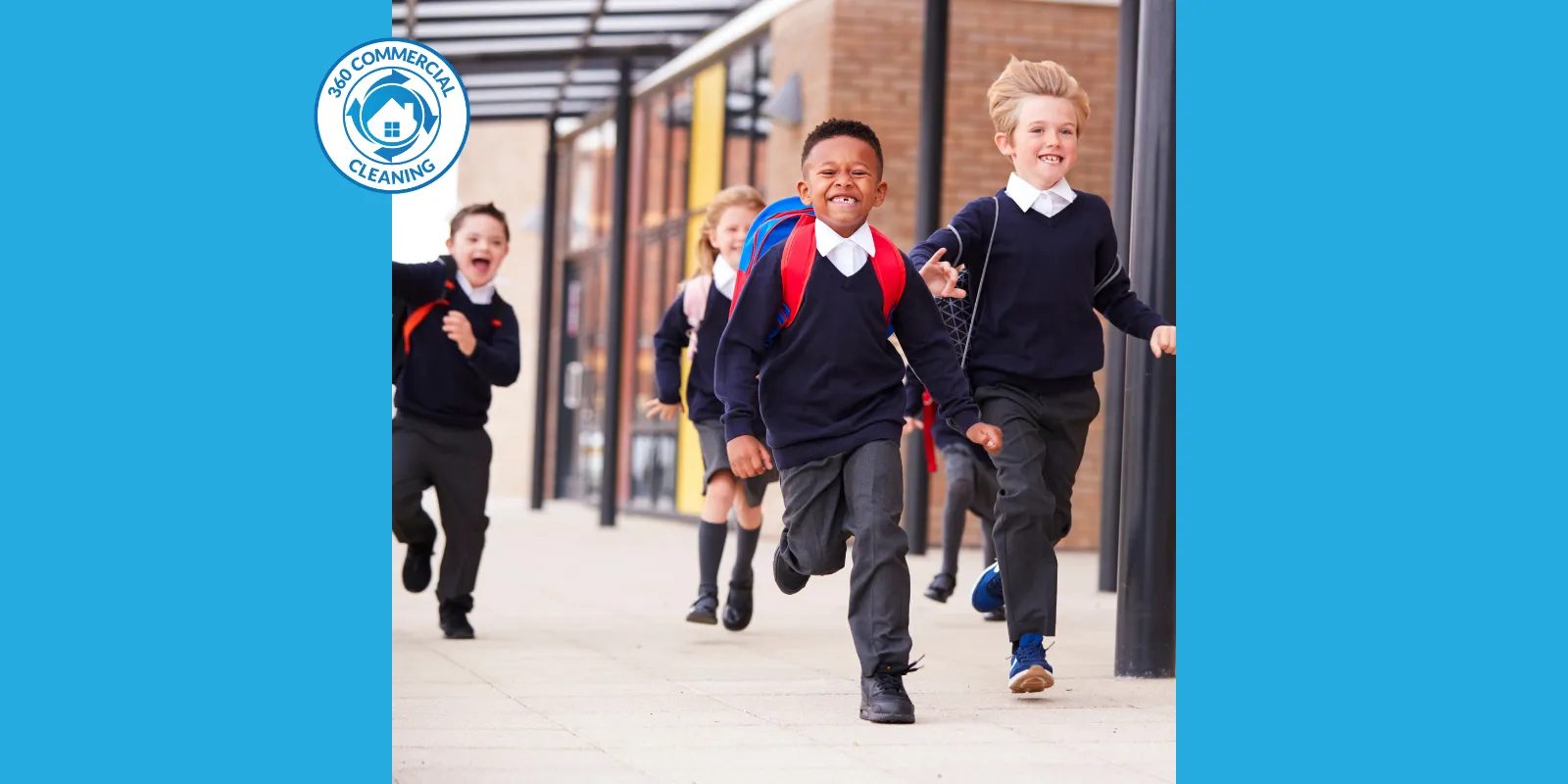
School & Educational Cleaning: Why Hygiene Is Every School’s Foundation
Clean schools produce better outcomes — here’s the evidence that demands attention.
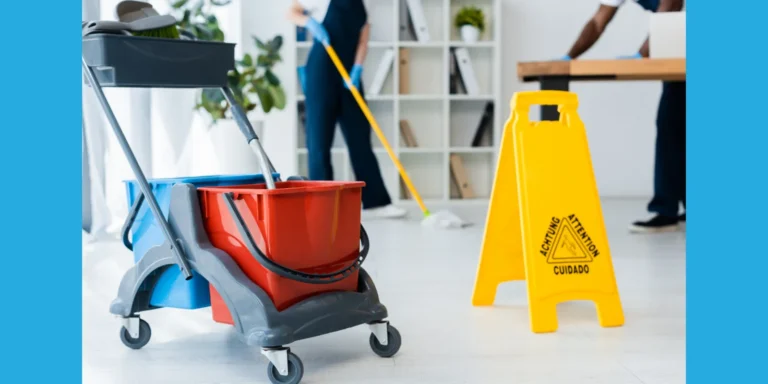
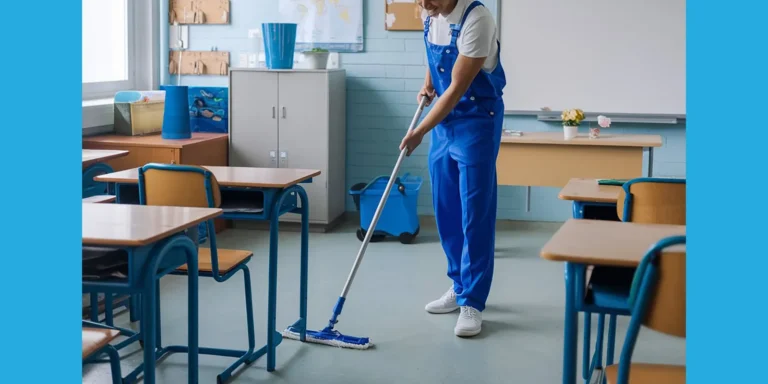
Walk into any school in the country on the first day of term and you will immediately sense whether it has been properly prepared. The floors gleam, the corridors smell fresh, and the classrooms feel ordered and welcoming. Or they do not. For school leaders, bursars, and facilities managers, the physical condition of a school building is far more than an aesthetic concern, it is a direct determinant of pupil health, staff wellbeing, safeguarding compliance, and Ofsted readiness. Yet despite its critical importance, professional educational cleaning is frequently misunderstood, underfunded, or delegated to providers whose standards do not match the unique demands of a school environment. This article examines why school and educational cleaning is a strategic priority, what best practice looks like, and how schools across Nottinghamshire and the East Midlands are raising the bar with specialist providers such as 360 Commercial Cleaning Ltd, a company built specifically around the needs of nurseries, schools, and academy trusts.
The Scale of the Problem: Schools Are High-Risk Hygiene Environments
Not all cleaning is equal, and nowhere is this more apparent than when comparing the requirements of an educational environment with those of a standard office or retail space. Educational cleaning demands a specialist understanding of safeguarding, chemical safety, and the specific microbial risks associated with high-density occupancy by children. COSHH (Control of Substances Hazardous to Health) regulations require that all cleaning products used in schools are assessed for risk, particularly in early years settings where young children may contact treated surfaces directly. DBS (Disclosure and Barring Service) checks are a non-negotiable requirement for any cleaning operative working in a school environment, a standard that not all generalist cleaning companies rigorously enforce.
Furthermore, school environments include a far broader range of surface types than most commercial buildings: gymnasium floors requiring machine scrubbing, soft furnishings in reading corners, specialist equipment in science labs, catering kitchens subject to Food Standards Agency hygiene ratings, and outdoor play areas. A professional educational cleaning provider must have the training, equipment, and protocols to address every one of these areas to a consistently high standard. This is precisely the specialist niche that 360 Commercial Cleaning Ltd – headquartered at Hill House, Nunn Brook Road, Huthwaite, Nottinghamshire, has built its reputation on across the East Midlands.
The Three Pillars of Effective School Cleaning
Effective school cleaning rests on three interconnected pillars: people, process, and products. On the people side, every member of a school cleaning team must be DBS-checked, safeguarding-aware, and trained in infection control procedures. On the process side, schools need a documented cleaning schedule that differentiates between daily maintenance cleaning, weekly deep-zone cleaning, and termly or annual deep cleans, each with its own checklist, completion records, and quality-audit mechanism. On the products side, every chemical used must be COSHH-assessed, appropriately diluted, and stored securely in locked cupboards inaccessible to pupils. According to the British Institute of Cleaning Science (BICSc), schools that adopt a structured three-pillar approach to cleaning report a measurable reduction in pupil illness-related absence of up to 21% compared to schools using ad-hoc cleaning arrangements (BICSc, 2021). These are not marginal gains, they translate directly into improved learning continuity, reduced supply cover costs, and stronger overall school performance.

Compliance, Certification, and the Ofsted Dimension
The link between school cleaning standards and regulatory compliance is not incidental, it is structural. Ofsted’s inspection framework explicitly references the standard of premises management as a component of the overall judgement on leadership and management. A school that cannot demonstrate a systematic, documented approach to hygiene and cleaning faces a genuine risk to its inspection outcome. Beyond Ofsted, schools must comply with HSE guidance, the Department for Education’s Keeping Children Safe in Education statutory framework, and Food Standards Agency requirements for kitchen hygiene. Engaging a cleaning provider that holds appropriate insurance, including public liability and employers’ liability cover, and operates in full compliance with HSE regulations is therefore not a preference but a procurement necessity. 360 Commercial Cleaning Ltd meets all of these requirements and provides full documentation upon request, giving school business managers the evidence they need to satisfy governors, trustees, and inspectors alike.
The Business Case: Why Professional Cleaning Saves Schools Money
The instinct to reduce cleaning costs through cheaper providers or reduced hours is understandable in an era of constrained school budgets. However, the financial logic of this approach does not withstand scrutiny. Consider the cost of a single norovirus outbreak, which can close a school for 48 hours, trigger deep-cleaning expenditure at emergency rates, generate significant parental concern, and create negative media coverage. Public Health England has estimated that school-based gastrointestinal outbreaks cost the education sector tens of millions of pounds annually in lost teaching time and remediation costs (Public Health England, 2019). Against this backdrop, a properly structured professional cleaning contract is not a cost, it is risk management. Schools that invest in consistent, high-quality educational cleaning from a specialist provider consistently find that the long-term financial return, through reduced absence, lower reactive maintenance costs, and extended asset life for flooring, furniture, and equipment, outweighs the upfront contract cost many times over.
What Great Educational Cleaning Looks Like in Practice
For schools considering a new cleaning partnership, understanding what genuine quality looks like in practice is essential. Great educational cleaning means the same trained, familiar operatives arriving at your school every day, not a rotating roster of agency staff who do not know the building. It means a dedicated contract manager conducting regular site audits and feeding back to your facilities team proactively, rather than waiting for complaints. It means flexible scheduling that respects your term dates, inset days, and event calendar. And it means a provider who genuinely understands your safeguarding obligations and makes them central to their operational model, not an afterthought. As Steve Upton, Operations Manager at Archway Learning Trust (Aspley Lane, Nottingham), noted of 360 Commercial Cleaning Ltd: “One of the benefits of 360 Commercial Cleaning is they don’t chop and change staff — they send the same staff day in, day out, and they are extremely punctual, communicative and professional.”
Book Your Pre-Term School Deep Clean Today
School and educational cleaning is not a back-office function — it is a frontline investment in pupil health, staff wellbeing, regulatory compliance, and institutional reputation. Schools across Nottinghamshire, Derbyshire, and the wider East Midlands that partner with 360 Commercial Cleaning Ltd gain a specialist, fully compliant, DBS-checked team committed to delivering consistently exceptional results. Whether you are reviewing your current provider or planning your next contract, now is the time to raise the standard.
Contact 360 Commercial Cleaning Ltd today for a free, no-obligation quotation tailored to your school or early learning facility:
- 📞 Phone: 01623 556 599
- 📞 Freephone: 0800 0854 008
- 📧 Email: info@360commercialcleaning.co.uk
- 🌐 School Cleaning Services: 360commercialcleaning.co.uk/cleaning-services/school-cleaning/
- 📍 Address: Hill House, Nunn Brook Road, Huthwaite, Nottinghamshire, NG17 2HU
References
Boone, S. A., & Gerba, C. P. (2007). Significance of fomites in the spread of respiratory and enteric viral disease. Applied and Environmental Microbiology, 73(6), 1687–1696. https://doi.org/10.1128/AEM.02051-06
British Institute of Cleaning Science. (2021). The BICSc cleaning industry report: Standards, outcomes and best practice in educational environments. BICSc Publications.
Public Health England. (2019). Guidance on infection control in schools and other childcare settings. Crown Copyright. https://www.gov.uk/government/publications/health-protection-in-schools-and-other-childcare-facilities