“Stay Productive and Healthy”: 10 Nottingham Office Cleaning Essentials
360 Commercial Office Cleaning in Nottingham Essential Guide
A spotless workplace isn’t just about appearances—it’s a proven driver of productivity, wellbeing, and trust. At 360 Commercial Cleaning Ltd, we help offices across the UK create safer, healthier, and more efficient environments with reliable, professional cleaning tailored to your space. Ready to raise your hygiene standards and keep teams performing at their best? Contact 360 Commercial Cleaning Ltd today on 01623 556599, email: info@360commercialcleaning.co.uk, or visit https://360commercialcleaning.co.uk/contact-us/ to book a free site survey and quotation.
A well-maintained office reduces the spread of germs, improves indoor air quality, and removes the distractions of clutter and grime that undermine concentration. It also protects your reputation, reassuring staff, clients, and visitors that you take their health seriously. When cleaning is planned properly and delivered consistently, it can reduce absenteeism, extend the life of fixtures and equipment, and even support sustainability goals by minimising waste and chemical use. Below, we share ten office cleaning essentials that every business should prioritise to keep people productive and healthy year-round.
1) A risk-assessed cleaning plan that matches how your office actually works
Every effective cleaning programme starts with an honest look at how your space is used. Footfall patterns, seasonal variations, special equipment, and hybrid working rhythms all influence what needs cleaning, how often, and with what methods. A reception area with constant visitor traffic demands more frequent touchpoint sanitising than a rarely used archive room; a collaborative workspace with hot desks calls for daily desk disinfection and restocking of wipes and hand gel. A formal risk assessment will identify higher-risk areas such as washrooms, kitchens, lift lobbies, and meeting rooms, and will account for any vulnerable users.
From there, build a schedule that is both task-based and frequency-based, with clear accountability, sign-off, and escalation routes. Align your plan with any sector-specific compliance needs, and ensure COSHH controls, safe systems of work, and the right PPE are in place. A good plan is living, not static: review it quarterly, adapt to feedback, and adjust to occupancy changes so you always balance hygiene outcomes with efficiency.
2) High-touch surface disinfection that’s targeted, frequent, and verified
Pathogens spread fastest via hands and high-frequency contact points. Door handles, lift buttons, shared keyboards, desk phones, taps, fridge handles, and railings should be cleaned and disinfected on a set cadence throughout the day, not just once after hours. Use an appropriate disinfectant with proven efficacy and a stated contact time, and ensure staff allow the product to dwell before wiping. Over-wetting electronics can cause damage, so choose wipes and methods designed for IT equipment.
Verification matters as much as action. Spot UV marker tests, ATP hygiene monitoring (where appropriate), and supervisor audits help ensure that touchpoint regimes are not only completed, but completed effectively. Documenting these checks creates a useful trail for internal assurance and external audits. The practical result is fewer germs, fewer sick days, and greater confidence from everyone using the space.
3) Desk hygiene made simple: hot-desking protocols and self-serve supplies
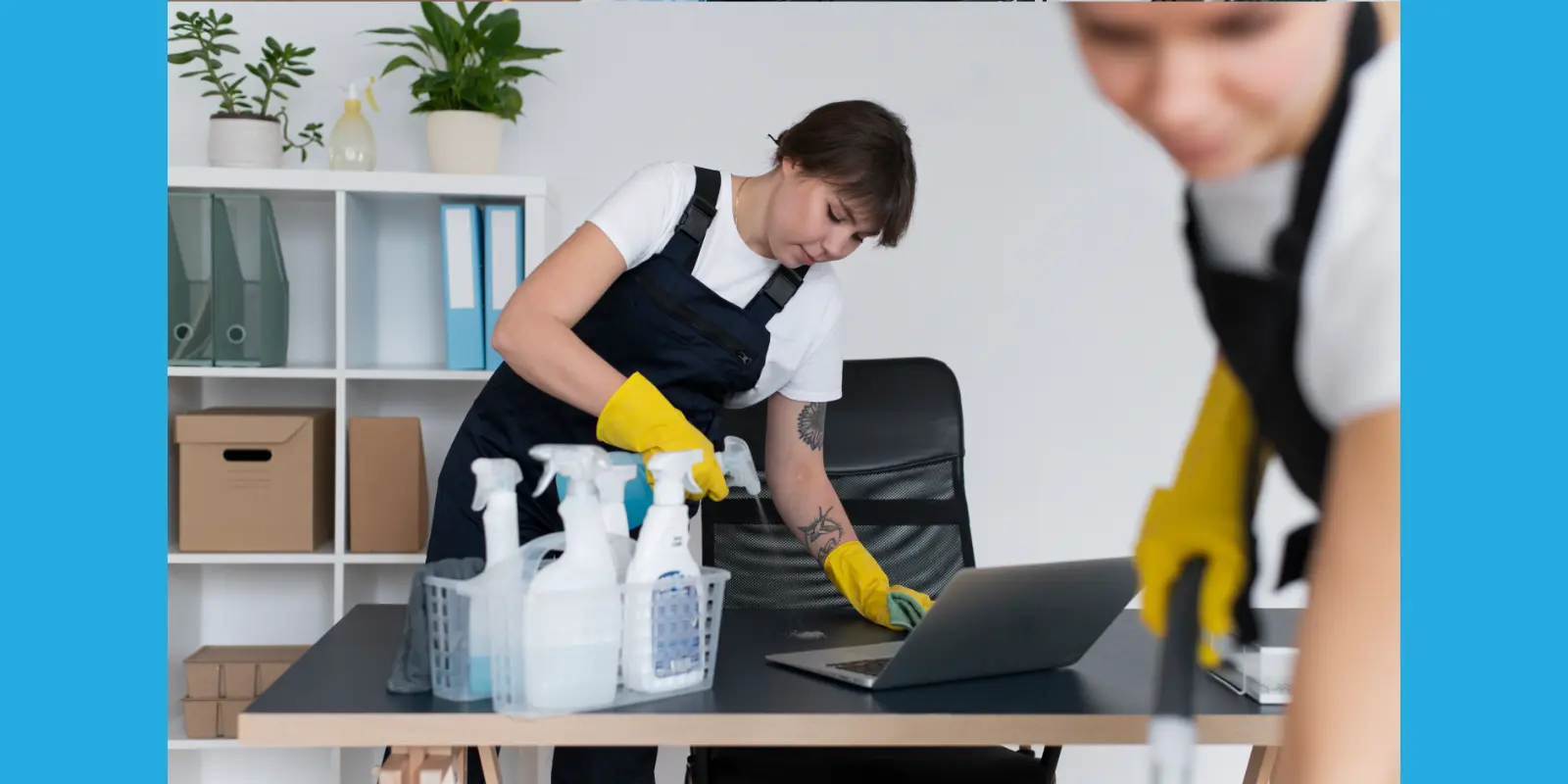
With hybrid working the norm, desks change hands more often, which raises the stakes. Implement a simple clear-desk policy, supported by easy access to antibacterial wipes, hand sanitiser, and labelled caddies for essentials. Encourage staff to wipe down their work surface, mouse, and keyboard at the start and end of use. Cleaning teams can then carry out a thorough daily clean of all desks, monitor stands, and chair armrests, with periodic deeper cleans of cable trays and under-desk areas.
Subtle nudges help. Place tasteful signage reminding teams to sanitise shared equipment, and consider quick visual flags (for example, a small stand marker) that indicate when a desk has been cleaned and is ready for use. These cues reduce friction, clarify responsibility, and keep desks hygienic without constant reminders.
4) Indoor air quality, ventilation, and filters you actually change
We feel air quality before we see it. Dust, volatile organic compounds, and bioaerosols affect comfort and concentration, and can exacerbate allergies and respiratory conditions. Practical steps include routine dusting at all levels—from skirting boards to high ledges—using microfibre to capture, not spread, particles. Vacuum carpets and upholstered furniture with machines fitted with HEPA filters, and maintain those filters according to manufacturer guidelines.
Work closely with your building manager or HVAC contractor to ensure that ventilation is adequate for your occupancy levels and that fresh air supply and extraction are functioning as designed. If you use standalone air purifiers in meeting rooms or collaboration zones, maintain them on a set schedule and log filter changes. Clean air, reduced odours, and fewer irritants translate into clearer thinking and more comfortable meetings.
5) Floors that are safe, spotless, and long-lasting
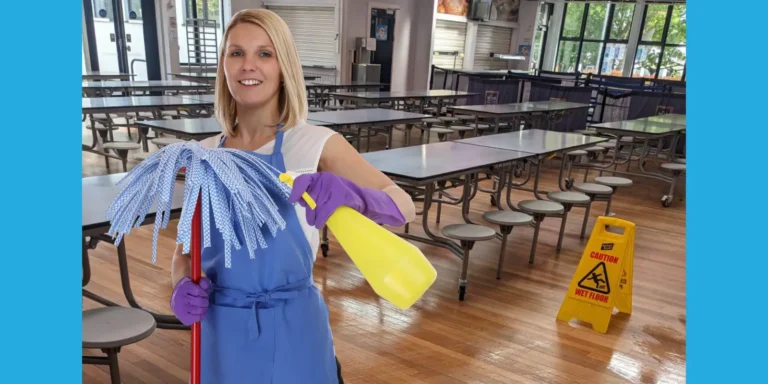
Floors are your biggest cleaning surface and one of the first things people notice. A robust floor care routine protects your investment and keeps slips at bay. For hard floors, remove grit daily to prevent micro-scratching, use the correct mop system and neutral detergents for the surface type, and schedule machine scrubbing or burnishing at appropriate intervals. For carpets, vacuum frequently with commercial-grade equipment, attend to spills immediately to prevent staining, and plan periodic low-moisture or hot water extraction cleans to lift embedded soils.
Entrance matting is a quiet hero—capture dirt at the door and you reduce wear and cleaning time across the building. Rotate mats for laundering and ensure they cover enough distance to be effective. In wet weather, step up checks, signage, and spot-mopping to manage slip risk and maintain a clean, professional look.
6) Washroom hygiene that sets the standard for the rest of the building
People judge facilities by their washrooms. A pristine washroom signals care, competence, and respect; a neglected one does the opposite. Prioritise frequent cleaning and disinfection of all fixtures and touchpoints, with particular attention to taps, flush handles or buttons, and cubicle locks. Use limescale removers regularly to keep porcelain and chrome gleaming, and ensure consumables—soap, paper, and feminine hygiene bins—are always stocked and serviced.
Odour control is both a perception and a hygiene issue. Effective ventilation, regular trap flushing in low-use areas, and enzyme-based products help keep washrooms fresh without overpowering fragrances. Clear cleaning checklists on the back of doors, signed with time and initials, create visibility and reinforce consistency.
7) Kitchens and break areas that truly protect food hygiene
Office kitchens can be the hardest-working spaces in a building, with constant traffic and shared appliances. Daily cleaning should cover worktops, cupboard handles, sinks, splashbacks, and appliance exteriors, with frequent disinfection of fridge and microwave handles. Set a weekly cycle for deeper tasks such as microwave interiors, fridge seals, and toaster crumb trays, and implement a labelled, date-based system for the communal fridge to avoid unpleasant surprises.
Cross-contamination is a quiet risk. Provide colour-coded cloths and tools dedicated to kitchen use, ensure food-safe sanitisers are used on preparation areas, and make handwashing facilities obvious and accessible. Post clear, positive reminders about wiping up spills and loading the dishwasher so standards are shared, not just policed. The payoff is a cleaner, safer space where people actually enjoy taking a break.
8) Waste, recycling, and a clean desk-free of clutter
Bins that overflow undermine every other cleaning effort. Align your waste plan with how people use the space: centralise recycling in visible zones to encourage correct separation, while keeping small desk-side bins for general waste if your culture requires it. Empty bins daily, clean and disinfect bin lids and liners regularly, and adjust capacity around peak days to avoid backups.
Clutter invites dust and slows cleaning teams. Encourage a tidy-desk culture supported by practical storage, cable management, and scheduled desk resets. When staff can see the surface, cleaners can clean it properly—and the result is visibly better hygiene and a calmer, more focused working environment.
9) Microfibre, colour-coding, and chemicals that do the job with less
Tools and techniques matter. Quality microfibre cloths and flat mops capture more soil with less solution, reducing chemical use and leaving surfaces streak-free. Adopt a colour-coded system—commonly red for washrooms, blue for general areas, green for kitchens, and yellow for clinical or high-risk tasks—to prevent cross-contamination between zones. Train teams to fold cloths to expose fresh quadrants and to change heads frequently to maintain effectiveness.
Chemical choice should balance efficacy, safety, and sustainability. Where possible, use concentrated products with dosing systems to reduce waste and variability, and consider eco-certified alternatives that still meet your hygiene standards. Always respect contact times; the best product won’t work if it’s wiped off too soon. By standardising methods and materials, you achieve consistent results and streamline procurement and training.
10) Periodic deep cleaning that resets the standard
Daily cleaning keeps you steady; periodic deep cleaning elevates you. Schedule quarterly or biannual deep cleans to tackle the tasks that are easy to postpone: high-level dusting above ceiling height, behind and beneath large furniture, descaling shower areas, degreasing kitchen vents, and restorative floor care. Include upholstery and workstation chairs, which accumulate skin oils and fine dust over time.
This is also the time to audit condition and plan replacements. Tired mats, failing grout, and stained ceiling tiles drag down perception and can harbour odours. A structured deep-clean programme, delivered by trained professionals with the right equipment, resets the environment and makes your daily Nottingham office cleaning standards easier to maintain.
Turning Nottinghan office cleaning essentials into everyday excellence
The difference between “cleaned” and “truly clean” is often in the detail. Clear scopes of work, visible checklists, and service level agreements remove ambiguity and help teams focus on outcomes rather than just tasks. Empower supervisors to coach in the field, correct technique, and celebrate what’s going well. Encourage two-way communication with your cleaning partner so small issues are raised early and resolved quickly—whether that’s a product swap, an adjustment to frequencies, or a tweak to timing around sensitive meetings.
Technology can help without getting in the way. Simple QR code check-ins for washrooms, photo-based before-and-after records for periodic tasks, and digital logs for consumable usage make it easier to spot trends and plan proactively. If your office has busy “peak days,” flex the schedule to add touchpoint rounds when occupancy rises, and scale back when it drops, keeping standards high and spend efficient.
Sustainability should be woven through the programme rather than bolted on. Concentrates and dosing caps cut plastic and transport emissions; reusable microfibre reduces waste versus disposables; and smart floor care extends the life of finishes, carpets, and mats. Even small shifts—like switching to recycled paper products or installing efficient hand dryers where appropriate—compound into meaningful environmental gains over the year.
A quick self-audit to see where you stand
If you’re not sure where to begin, walk your space with fresh eyes. Is there a documented cleaning schedule that reflects how your office is used today? Are high-touch points genuinely spotless at midday, not just first thing? Do washrooms feel fresh and fully stocked at all times? Are desks and shared equipment easy to sanitise between users? Does the air feel clean, with vents and returns free of dust build-up? Are floors bright, safe, and free of dull traffic lanes? Do kitchen areas pass the “would I cook here?” test? Are waste streams clear and tidy, with no overflow? Are cleaning tools colour-coded, well maintained, and stored neatly? And when was your last true deep clean?
Answering these questions candidly will reveal quick wins and longer-term priorities. The good news is that most gaps close quickly with the right plan, products, and partnership.
Why partner with 360 Commercial Cleaning Ltd
Choosing a specialist Nottingham office cleaning team means you don’t have to choose between quality, compliance, and cost control. 360 Commercial Cleaning Ltd provides tailored office cleaning programmes built on risk assessment, methodical training, and proactive supervision. We standardise around proven methods—microfibre systems, colour-coding, and correctly dosed chemistries—while adapting to the unique rhythms of your building. Our operatives are vetted and trained, our equipment is commercial grade, and our reporting is transparent, so you always know what’s been done, when, and to what standard.
Whether you need daily office cleaning, daytime janitorial support, washroom services, carpet and floor maintenance, or scheduled deep cleans, we can create a package that fits your space and budget. We work discreetly around your teams to minimise disruption, and we’re as comfortable supporting single sites as we are multi-location portfolios.
Nottingham Office Cleaning – The bottom line
Having a clean Nottingham office is a productive office. When you get the essentials right—targeted disinfection, tidy desks, clean air, safe floors, spotless washrooms, hygienic kitchens, sensible waste management, high-quality tools, and periodic deep cleans—you create an environment where people can do their best work. It’s not about doing more for the sake of it; it’s about doing the right things, at the right time, in the right way.
If you’d like a frank assessment of your current set-up and a practical plan to raise standards, we’d be delighted to help. Contact 360 Commercial Cleaning Ltd today on 01623 556599, email: info@360commercialcleaning.co.uk, or visit https://360commercialcleaning.co.uk/contact-us/ to arrange a free site survey and tailored proposal for your Nottingham office cleaning.